
Hantavirus Protection: Why Professional Rodent Contamination Cleanup Matters
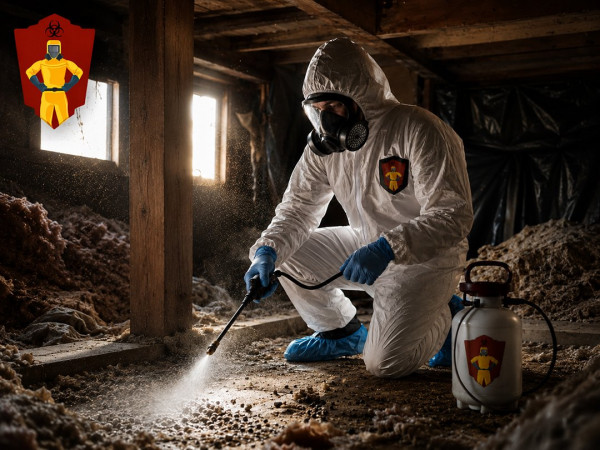
Rodent infestations can create more than property damage and unpleasant odors. When mice or rats leave behind droppings, urine, saliva, nesting materials, and contaminated debris, the affected area may require more than basic cleaning. For property owners concerned about Hantavirus protection, understanding how rodent contamination spreads is an important first step.
Homes, rental properties, businesses, warehouses, garages, storage areas, and vacant buildings throughout Detroit, Troy, Novi, Sterling Heights, Lansing, MI, and the surrounding areas can all experience rodent contamination. In many cases, the infestation itself is only part of the problem. The bigger concern may be what remains after the rodents are gone.
T.A.C.T. of Detroit provides professional Hantavirus cleanup, rodent waste cleanup, and biohazard disinfection services for properties affected by rodent-related contamination. If you discover rodent droppings or nesting materials, it is important to avoid disturbing the area unnecessarily until you understand the risks.
Why Hantavirus Protection Starts With Rodent Contamination Awareness
Hantavirus is one example of a virus associated with infected rodent waste. While not every rodent contamination situation involves Hantavirus, droppings and nesting materials should still be handled carefully because they may contain bacteria, viruses, allergens, odors, and other biohazard-related contaminants.
The concern is not just the visible droppings. Rodent urine, nesting debris, saliva, contaminated dust, and damaged insulation can affect surrounding materials. When these materials are disturbed during sweeping, vacuuming, renovations, demolition work, or storage cleanouts, particles may spread into the air or into nearby areas.
This is why Hantavirus prevention is not only about keeping rodents out of a building. It is also about knowing how to respond when contamination is already present.
Common Places Rodent Contamination Is Found
Rodents often move through hidden or low-traffic areas where they can remain unnoticed for long periods of time. By the time droppings or odors are discovered, contamination may already be present in more than one location.
Common areas affected by rodent contamination include:
- Attics with droppings, urine, nesting materials, or damaged insulation
- Basements and crawlspaces where rodents may nest or travel unseen
- Garages, sheds, and storage rooms with boxes, clutter, or food sources
- Warehouses and commercial buildings with larger contamination concerns
- Vacant homes, rental properties, and foreclosed properties where infestations may go unnoticed
- Areas near ductwork, vents, utility openings, and mechanical spaces
In colder Michigan weather, rodents may move indoors looking for warmth, shelter, and food. That can make attics, garages, basements, crawlspaces, and storage spaces especially vulnerable during seasonal changes.
Why Sweeping or Vacuuming Rodent Droppings Can Make the Problem Worse
One of the most important things property owners should know is that rodent droppings should not be treated like ordinary dirt or dust. Sweeping, dry brushing, or vacuuming can disturb contaminated particles and potentially spread them through the air.
This can be especially concerning in enclosed spaces such as attics, crawlspaces, basements, garages, storage rooms, and utility areas. When contamination is disturbed, dust, insulation fibers, nesting material, and waste particles may move beyond the original problem area.
If rodent waste is found in a small, isolated area, property owners may be tempted to clean it quickly. However, if there are large amounts of droppings, contaminated insulation, strong odors, nesting materials, or contamination in a commercial or rental property, professional cleanup is often the safer and more thorough option.
Rodent Removal Does Not Always Mean the Property Is Clean
Pest control and cleanup are related, but they are not the same service. Pest control focuses on removing rodents, stopping activity, and helping prevent re-entry. Cleanup focuses on addressing the contamination left behind after rodents have been active inside the property.
After the infestation is controlled, droppings, urine, nesting materials, odors, and damaged insulation may still remain. These materials can continue creating sanitation concerns long after the rodents are gone.
T.A.C.T. of Detroit provides rodent droppings cleanup for properties affected by rodent waste, nesting debris, urine contamination, and related biohazard concerns. Professional cleanup can help address both visible contamination and the surrounding materials that may have been affected.
How Professional Rodent Contamination Cleanup Helps Support Hantavirus Protection
Professional rodent contamination cleanup is designed to reduce the risk of spreading contaminated material during the cleanup process. Instead of simply removing visible droppings, technicians evaluate the affected space, identify the scope of contamination, and use appropriate procedures to help restore cleaner conditions.
Depending on the property, professional cleanup may include:
- Rodent waste cleanup and careful debris removal
- Rodent urine and nesting material cleanup
- Contaminated insulation removal when materials cannot be properly cleaned
- Surface cleaning, sanitization, and disinfection
- Odor reduction for lingering urine or nesting debris smells
- Careful handling and disposal of contaminated materials when needed
For properties with broader sanitation concerns, T.A.C.T. of Detroit also provides professional biohazard disinfection services for areas affected by viruses, bacteria, bloodborne pathogens, and other contamination concerns.
When Property Owners Should Consider Professional Cleanup
Not every rodent situation looks the same. Some properties have a small amount of visible waste in one area. Others have widespread contamination across an attic, basement, crawlspace, garage, warehouse, or vacant building. The more extensive the contamination, the more important it becomes to avoid disturbing affected materials without the right equipment and process.
Professional cleanup may be recommended when you find:
- Large amounts of rodent droppings or urine staining
- Contaminated insulation in an attic, crawlspace, or wall-adjacent space
- Strong rodent odors that remain after pest activity has stopped
- Nesting materials inside stored belongings, boxes, shelving, or hidden areas
- Rodent contamination in a business, rental property, warehouse, or vacant building
- Contamination near vents, ductwork, mechanical areas, or utility spaces
If you are unsure how widespread the contamination is, it is best to avoid unnecessary contact with the affected area until it can be evaluated.
Practical Hantavirus Prevention Tips for Homes and Businesses
Professional cleanup is important after contamination is discovered, but prevention also matters. Reducing rodent activity can help lower the chance of future contamination and reduce the need for cleanup later.
Property owners can help reduce rodent-related contamination risks by:
- Sealing gaps, cracks, and entry points around the structure
- Keeping food, pet food, and trash properly contained
- Reducing clutter in garages, basements, attics, sheds, and storage areas
- Repairing moisture issues that may attract rodents
- Scheduling pest control when rodent activity is suspected
- Avoiding direct contact with droppings, urine, saliva, or nesting materials
- Avoiding sweeping or vacuuming rodent waste without proper protection and cleanup procedures
These steps can help reduce future contamination concerns, but they do not replace professional cleanup when a property has already been affected by rodent waste.
Professional Hantavirus Protection and Rodent Contamination Cleanup in Detroit, MI
T.A.C.T. of Detroit helps homeowners, landlords, property managers, business owners, and facility operators respond to rodent contamination concerns throughout Detroit, Troy, Novi, Sterling Heights, Lansing, MI, and the surrounding areas. Our team provides professional Hantavirus cleanup, rodent waste cleanup, and biohazard disinfection services designed to help restore cleaner and safer conditions inside affected properties.
If you discover rodent droppings, urine odors, nesting materials, contaminated insulation, or possible Hantavirus exposure concerns, avoid disturbing the affected area unnecessarily. Call T.A.C.T. of Detroit today or contact us online to learn more about professional rodent contamination cleanup and disinfection services.
Latest news
Hantavirus Cleanup, Rodent Waste Cleanup, and Hantavirus Prevention in Detroit, Troy, Sterling Heights, Novi, Lansing, MI. Learn Why Professional Rodent Contamination Cleanup Matters.
Read More
Vehicle Decontamination in Detroit, Lansing, Novi, Sterling Heights, and Troy, MI. We Work in All Situations for Car Decontamination, Sanitization Services, and Vehicle Sanitizing.
Read More
Home Deep Cleaning in Detroit, Lansing, Novi, Sterling Heights, and Troy, MI. Make Your Home Safe with Home Disinfection Services, Sanitization Services, and Hoarding Clean Up.
Read More